

Dolphins are one of the most recognizable marine mammals due to their streamlined bodies, expressive features, and intelligent behavior. Understanding dolphin physical appearance not only offers insights into their biology but also helps in appreciating the evolutionary adaptations that make them such agile and social creatures.
In this guide, we explore the physical features of dolphins across species—from the sleek bottlenose dolphin size to the fascinating hues of the Amazon river dolphin, while optimizing for key terms like dolphin characteristics and their resemblance to human traits.
Table of Contents
General Overview of Dolphin Characteristics
Dolphins belong to the cetacean family and are related to whales and porpoises. They are warm-blooded, breathe air, and give birth to live young. Their physical characteristics are defined by a combination of hydrodynamic form and complex nervous systems.
Key Physical Features:
- Streamlined body for efficient swimming
- Blowhole on top for breathing
- Flippers for steering
- Dorsal fin for stability
- Fluke or tail fin for propulsion
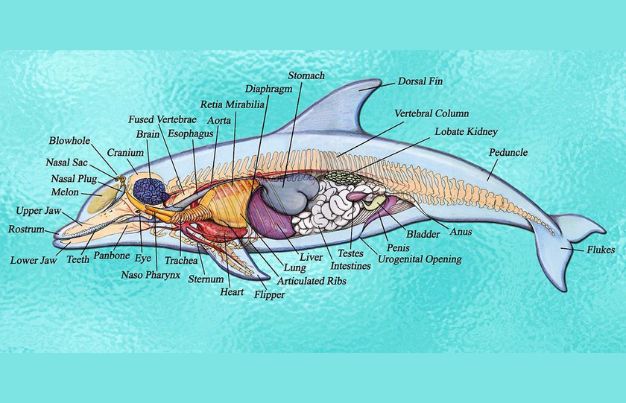
Dolphin Body Shape and Skin Texture
The dolphin’s body is built for speed and maneuverability in water. Most dolphins have a fusiform (spindle-shaped) body that reduces drag.
Skin & Texture:
- Smooth and rubbery skin reduces friction.
- Dolphins shed outer skin every two hours, which is a unique adaptation for maintaining speed.
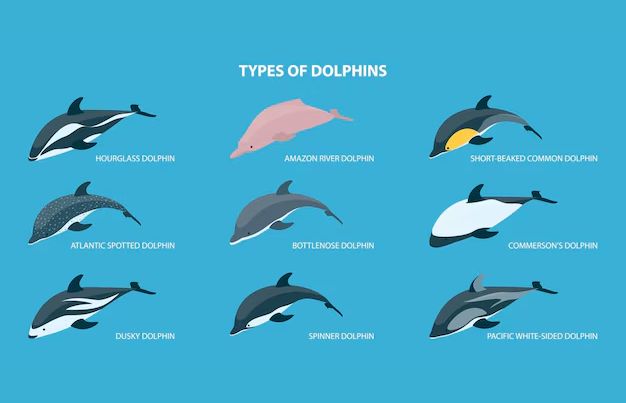
- Skin coloration varies by species—from grey to pink to black-and-white.
This variation is especially noticeable in species like the pink dolphin (Amazon river dolphin) and the black-and-white Commerson’s dolphin.
Size Variations: From Bottlenose to River Dolphins
One of the most common queries about dolphin characteristics is about their size. Size and weight vary significantly across species.
Bottlenose Dolphin Size:

- Length: 2–4 meters (6.6–13 ft)
- Weight: 150–650 kg (330–1430 lbs)
Amazon River Dolphin Characteristics:

- Known as “botos”
- Length: 1.5–2.5 meters
- Noticeably pink in color due to capillary density
Indus River Dolphin Characteristics:

- Length: ~2.5 meters
- Unique due to poor eyesight, adapted for murky river habitats
Spinner Dolphin Characteristics:

- Notable for acrobatic spins
- Smaller in size (~2 meters)
These species illustrate the broad diversity in dolphin characteristics influenced by habitat and lifestyle.
Dolphin Head, Eyes, and Facial Features
Dolphins have an elongated snout known as a “rostrum,” which contributes to their iconic smile. This shape, however, is not indicative of emotion but evolutionary efficiency.
Key Features:
- Eyes: Located on either side of the head, providing nearly 360-degree vision
- Echolocation organ (melon): Helps in navigation and hunting
- Teeth: Conical in shape, useful for grasping slippery prey
Interestingly, the dolphin characteristics in humans theory highlights shared traits like playfulness, curiosity, and high cognitive abilities.
Tail, Flippers, and Movement
The fluke (tail fin) moves up and down, unlike fish, allowing powerful forward propulsion. The pectoral flippers are used for steering and balance, while the dorsal fin keeps the dolphin upright.
Unique Traits:
- Flukes have no bones, only dense connective tissue
- Flippers contain bones similar to human hands
- High degree of flexibility
These features are essential for the acrobatic displays seen in species like the spinner dolphin.
Differences in Species: Personality and Physical Traits
Some dolphins like the Commerson’s dolphin are visually distinct with black-and-white coloring, while others like the pink dolphin have unique pigmentation. Personalities also differ:
- Bottlenose dolphins are highly social
- Amazon dolphins are more solitary
- Spinner dolphins are energetic and acrobatic
These dolphin characteristics personality types often reflect their environment and social structures.

Dolphin Characteristics for Kids: Fun and Educational Facts
- Dolphins can jump up to 20 feet in the air
- Baby dolphins are called calves
- They sleep with one eye open
- Dolphins use whistles and clicks to “talk” to each other
This section makes dolphin characteristics for kids both educational and engaging.
Conclusion: The Beauty of Dolphin Diversity
From the striking size of a bottlenose dolphin to the vivid hues of an Amazon pink dolphin, the dolphin physical appearance showcases nature’s ingenuity. Each species carries traits adapted for its unique habitat—be it rivers, coastal waters, or deep oceans.
Whether you’re a marine biologist, educator, or just a curious enthusiast, understanding dolphin anatomy and characteristics helps foster respect for these extraordinary creatures of the sea.
FAQs: Answers to Common Dolphin Queries
1. What are the characteristics of a dolphin?
Dolphins are marine mammals known for their streamlined bodies, intelligent behavior, echolocation ability, and social nature. They have conical teeth, dorsal fins, and flippers, making them excellent swimmers.
2. What characteristics does a dolphin have?
Dolphins exhibit traits like smooth skin, high agility, sharp hearing, and advanced social structures. Some species also display unique colors, such as the pink dolphin of the Amazon River.
3. What are the physical characteristics of a dolphin?
Dolphins have fusiform bodies, dorsal and pectoral fins, tail flukes, and elongated snouts. Their skin is smooth and constantly renewed. They vary in size, shape, and color depending on the species.
4. How big can dolphins get?
Dolphin size ranges from about 1.5 meters (Commerson’s dolphin) to over 9 meters (orca, technically a dolphin species). Bottlenose dolphins usually grow between 2–4 meters.


