
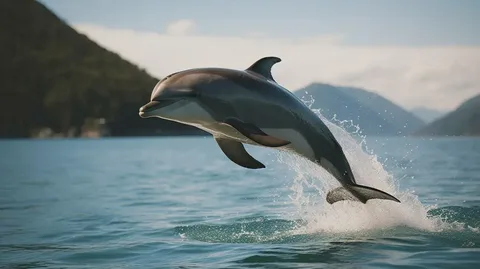
Few wildlife experiences compare to seeing dolphins in their natural habitat. Whether it’s a pod of bottlenose dolphins riding a bow wave or spinner dolphins leaping offshore, these intelligent marine mammals offer unforgettable encounters. But the type of boat used during dolphin watching makes a significant difference — not only for the viewing experience but also for the animals’ safety and well-being. If you’re planning a dolphin-watching excursion or considering what kind of vessel is best for marine observation, here’s what you should know.
Table of Contents
Why Boat Choice Matters When Viewing Dolphins
Dolphins are highly sensitive to noise, sudden directional changes, and vessel congestion. According to marine conservation guidelines, boats approaching dolphins should:
- Maintain steady, predictable speeds
- Avoid cutting across a pod’s path
- Reduce engine noise
- Keep safe distances (often 50–100 yards depending on location)
- Never chase or encircle dolphins
The right boat can make these guidelines easier to follow.
1. Rigid Inflatable Boats (RIBs)
Rigid inflatable boats (RIBs) are among the most commonly used vessels for eco-tours and marine research. Why they’re effective:
- Lightweight and fuel-efficient
- Stable in moderate coastal conditions
- Low profile for better wildlife viewing
- Responsive steering for controlled maneuvering
Because they sit lower in the water than large tour boats, RIBs allow observers to see dolphins at eye level creating a more immersive experience without towering above them. High-quality RIBs often use marine-grade hypalon fabrics in their inflatable tubes due to their durability, UV resistance, and ability to withstand saltwater exposure. These materials are particularly valuable in coastal dolphin habitats where boats are frequently exposed to harsh sun and marine conditions. Durable tube materials also enhance long-term vessel reliability, which is essential for operators conducting frequent wildlife excursions.
2. Small Catamarans
For tour operators carrying larger groups, small catamarans offer stability and comfort. Advantages include:
- Excellent balance in choppy waters
- Wide viewing decks
- Reduced rolling motion
- Quiet cruising at moderate speeds
Catamarans distribute weight evenly across two hulls, which can create smoother approaches. This is beneficial in offshore areas where dolphin pods are feeding or socializing. However, operators must still prioritize slow speeds and avoid sudden turns.
3. Electric or Hybrid Boats
As sustainability becomes more central to marine tourism, electric and hybrid-powered boats are gaining popularity. Benefits for dolphin observation:
- Significantly reduced engine noise
- Lower emissions
- Minimal vibration in the water
Because dolphins rely heavily on echolocation, quieter vessels reduce acoustic disturbance. While fully electric boats are currently more common in calm bays and protected areas, they represent a promising direction for wildlife tourism.
4. Kayaks and Paddlecraft (With Caution)
In certain calm coastal regions, guided kayak tours allow participants to observe dolphins from a non-motorized vessel. While this offers an incredibly low-impact experience, it comes with important caveats:
- Paddlers must maintain proper distance
- Dolphins should never be approached directly
- Tours should be led by experienced wildlife guides
Kayaks are only appropriate in regions where dolphin encounters are common and regulations allow non-motorized observation.
Boats to Avoid for Close Dolphin Encounters
Some vessels are less suitable for responsible dolphin viewing:
- High-speed personal watercraft
- Loud performance boats
- Large vessels making sharp turns
- Boats that create excessive wake
High noise levels and unpredictable movement patterns can disrupt feeding, nursing, and resting behaviors. Responsible dolphin tourism focuses on minimizing interference — not maximizing proximity.
Best Practices for Dolphin-Friendly Boating
Regardless of vessel type, the most important factor in dolphin watching is operator behavior. Follow these general guidelines:
Maintain Distance
Stay at least 50 yards away unless local laws specify otherwise.
Travel Parallel, Not Directly Toward
Approach slowly from the side and move parallel to the pod.
Limit Viewing Time
Avoid prolonged interaction that may interrupt feeding or social behavior.
Never Feed or Touch Dolphins
Human interaction can disrupt natural habits and create dependency.
Follow Local Regulations
Marine mammal protection laws vary by country and state. Always verify guidelines before heading out.
Choosing Ethical Tour Operators
If you’re booking a dolphin-watching tour, look for operators that:
- Emphasize marine conservation
- Follow wildlife viewing regulations
- Use stable, well-maintained vessels
- Educate guests about dolphin behavior
Many reputable eco-tour companies train captains specifically in marine mammal approach protocols.
A Memorable Experience Starts With Responsibility
Dolphins are intelligent, social, and ecologically important animals. Observing them in the wild is a privilege that comes with responsibility. The best boats for dolphin watching are not necessarily the fastest or the largest. They are the ones that allow steady, predictable movement, minimize environmental impact, and prioritize animal welfare.
Whether it’s a rigid inflatable boat built with durable marine materials, a quiet hybrid vessel, or a carefully guided kayak excursion, thoughtful preparation ensures that the experience is as safe for dolphins as it is unforgettable for you. By choosing the right vessel and following ethical wildlife practices, you help preserve these extraordinary marine encounters for generations to come.


